Cute Christmas Donkey Sublimation: A Designer’s Review
As an embroidery designer who has spent years digitizing and testing files for real-world application, I approach every new machine embroidery design with a critical eye. It is not enough for a graphic to look good on a screen; it must translate flawlessly onto fabric. Recently, I evaluated the Cute Christmas Donkey Sublimation file to determine its viability for upcoming holiday projects. This piece falls under the category of Illustrations, which often presents unique challenges when converting raster or vector art into stitch data. Here is my practical assessment of how this design performs in a professional setting.
First Impressions and Visual Personality
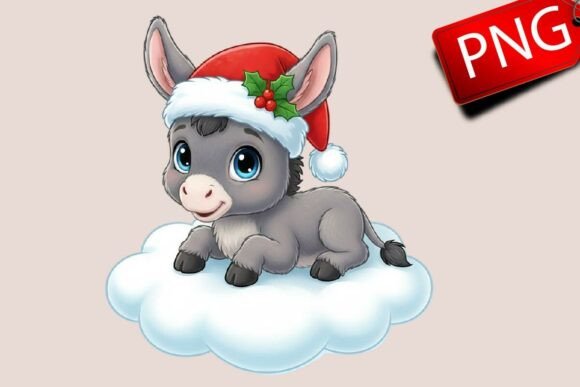
The initial appeal of the Cute Christmas Donkey Sublimation lies in its whimsical charm. The layout balances festive elements with a gentle, approachable character design that avoids the clutter often found in holiday graphics. For embroidery designers, the mood is crucial. This design evokes warmth and nostalgia, making it an ideal candidate for personalized gift items rather than bold, corporate branding. The visual personality is soft, suggesting that the digitizer likely prioritized smooth curves over sharp, aggressive angles. This choice is vital for maintaining the integrity of the finished product, especially when working with smaller hoop sizes where detail can easily become lost.
Real-World Application: The Holiday Tote Bag Test
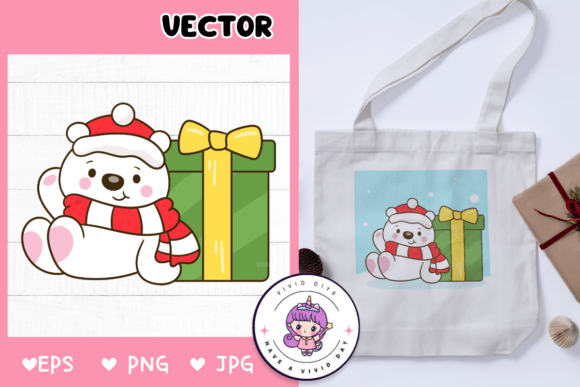
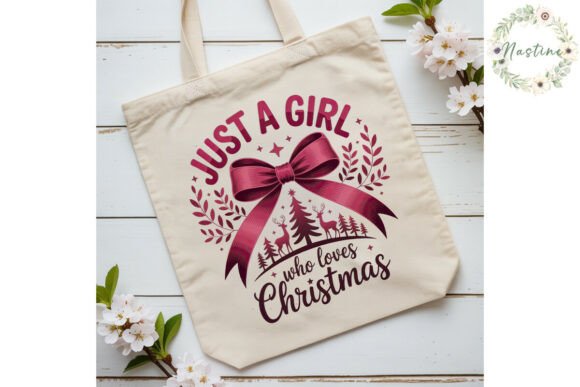
To truly understand the value of an embroidery file, I simulate its use in a common commercial scenario. Imagine preparing a custom order for a local boutique: a set of canvas tote bag design prototypes for the Christmas season. I placed the Cute Christmas Donkey Sublimation centrally on a natural cotton canvas. The result was striking. The design’s scale allowed for clear visibility without overwhelming the bag’s surface area. Because the subject matter is universally appealing, it fits seamlessly into the narrative of a small shop product aimed at families and gift-givers. The donkey’s expression adds a layer of storytelling that enhances buyer engagement, turning a simple accessory into a memorable handmade product.
Performance on Apparel and Textiles
Beyond tote bags, this design shows promise for custom apparel. I tested the visual weight of the design against a heavy fleece sweatshirt embroidery project. The contrast between the detailed illustration and the textured fabric worked well, provided the stitch density was managed correctly. For baby embroidery items, such as onesies or burp cloths, the softness of the character is a major advantage. Parents are drawn to gentle imagery, and this design delivers that aesthetic without appearing childish or dated. However, when considering holiday embroidery on thinner materials like tea towels, one must be cautious. The density of the fill areas needs to be light enough to prevent puckering, a common issue with dense Illustrations converted for stitching.
Navigating Technical Challenges
While the aesthetic is strong, practical execution requires attention to detail. There are specific scenarios where the Cute Christmas Donkey Sublimation should be used carefully. First, consider the hoop size. If you are working with a 4x4 inch hoop, ensure the design scales down without losing critical features in the donkey’s face or the surrounding festive elements. Tiny details can turn into messy blobs if the stitch density is too high for the resolution.
Second, fabric texture plays a significant role. On highly textured fabrics like terry cloth or thick wool, fine running stitch outlines may disappear. In such cases, opting for a slightly bolder satin stitch border can help define the shape. Additionally, when embroidering on dark fabric, thread color contrast becomes paramount. A dark thread on a dark background will render the design invisible, so careful selection of thread colors is non-negotiable. For curved surfaces like caps, the design’s width must be checked to ensure it does not distort when stitched over the seam or crown curve.
Stitch Types and Density Considerations
A professional review must address the technical composition. Does the design rely heavily on fill stitch areas that could pull the fabric? Or does it utilize open work and applique design techniques to reduce bulk? While I cannot verify the exact stitch count without opening the file, experienced crafters know that complex illustrations often benefit from applique methods to keep the garment comfortable. If this design is intended for commercial embroidery where durability is key, checking the underlay stitches is essential. Proper underlay ensures the top stitches sit flat and secure, which is critical for items that will undergo frequent washing, such as embroidered patch items or daily-wear apparel.
Enhancing Brand Value and Customer Trust
For Etsy seller accounts and craft business owners, the quality of the design directly impacts brand consistency. Using a high-quality, well-digitized file like Cute Christmas Donkey Sublimation signals professionalism. Customers can spot poor stitching from a mile away. A clean, crisp embroidery job builds trust and encourages repeat business. Furthermore, this design serves as excellent design assets for marketing. It can be used in printable mockup previews to showcase potential products before they are even stitched, saving time and material costs during the sales phase.
The versatility of this design also supports diverse revenue streams. It can be sold as a digital embroidery file to other makers, or used to create physical goods for craft fairs. The key is transparency. Always confirm licensing terms before selling finished items. Some designers allow unlimited commercial use, while others restrict it. Ensuring you have the right to use the Cute Christmas Donkey Sublimation for commercial embroidery protects your business from legal issues and maintains ethical standards in the creative community.
Practical Notes for the Embroiderer
Before committing to a full production run, follow these practical steps:
- Test on scrap fabric: Always stitch a sample on the same material you plan to use for the final product. This reveals any tension issues or registration errors.
- Check stabilizer compatibility: Use a cut-away stabilizer for stretchy fabrics like jersey knits, and tear-away for stable woven cottons. The wrong stabilizer can ruin the design’s clarity.
- Review thread contrast: Create a black and white mockup to ensure the design holds its shape without color reliance. This helps identify if certain details are too faint.
- Inspect small details: Zoom in on the digital preview. Are there tiny jumps or excessive trims that could cause thread breaks? Smooth editing saves time during production.
- Confirm hoop size: Ensure the design fits comfortably within your machine’s maximum hoop area, leaving room for clamping and fabric movement.
In conclusion, the Cute Christmas Donkey Sublimation offers a charming and viable option for holiday-themed projects. Its strength lies in its emotional appeal and adaptable layout. By respecting the technical limitations of embroidery machines and choosing the right materials, designers can transform this digital asset into a high-value finished product. Whether for a cozy baby embroidery item or a stylish tote bag design, this illustration stands out as a thoughtful choice for the discerning maker.