Review: Watercolor Christmas Gift Box Clipart PN
As a designer who spends half my life staring at stitch simulations and the other half untangling thread from bobbin cases, I have learned to look past the pretty preview images. We all know that what looks stunning on a digital screen does not always translate cleanly to fabric. When I first opened the Watercolor Christmas Gift Box Clipart PN, my initial reaction was cautious optimism. The watercolor aesthetic is trending heavily in the handmade market right now, but it is notoriously difficult to replicate with thread. This piece belongs to the broader category of Illustrations that rely on soft edges and blended hues, which presents a unique challenge for machine embroidery.
The First Impression: Mood and Visual Personality
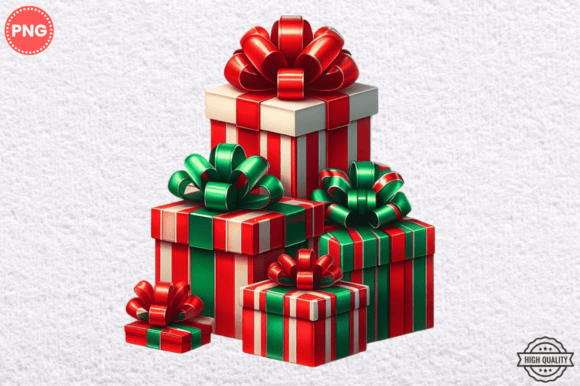
The design immediately sets a cozy, nostalgic tone. It captures that specific feeling of holiday morning light filtering through a window. The layout is balanced, with the gift box serving as the focal point, surrounded by subtle artistic flourishes that suggest wrapping paper texture and ribbon without becoming overly cluttered. For an embroidery project, this level of detail is a double-edged sword. The visual personality is warm and inviting, making it an ideal candidate for products that aim to evoke emotion rather than just display a logo. However, the softness of the watercolor style means we must be strategic about how we convert these visual cues into stitches.
Real-World Application: A Holiday Tote Bag Case Study
To truly evaluate this asset, I imagined a real-life scenario: preparing a custom order for a local boutique selling high-end holiday gift sets. The client wanted a tote bag design that felt artisanal and exclusive. Using the Watercolor Christmas Gift Box Clipart PN seemed like the perfect fit. Unlike rigid vector graphics, this design offers organic movement that pairs beautifully with natural fabrics like canvas or heavy cotton twill.
In this context, the design would likely require a mix of fill stitch for the body of the box to create depth and satin stitch for the ribbon to provide a contrasting sheen. The goal is to mimic the translucent layering of watercolor paint. If executed correctly, the finished product would stand out on an Etsy shop page because it looks less like a mass-produced stamp and more like a hand-painted original. This distinction is crucial for craft business owners trying to justify higher price points.
Performance Across Different Products
Beyond tote bags, I considered how this illustration would perform on other common items. For sweatshirt embroidery, the design’s softer edges work well against the textured surface of fleece or French terry. The fabric’s nap can actually help blend the stitches, enhancing the watercolor effect. However, for baby embroidery on onesies, we must be careful. While the theme is adorable, the stitch density required to achieve color blending might be too stiff for delicate infant skin. In such cases, reducing the density or using a lighter weight stabilizer is essential.
For embroidered patch production, this design could shine if backed with a cut-away stabilizer to maintain shape. Patches are often washed frequently, so the integrity of the stitch connections is vital. The Watercolor Christmas Gift Box Clipart PN has enough structural definition in the box shape to hold up well, provided the ribbon details are not too fine. On curved surfaces like caps, the design might need simplification. The complex color transitions could lead to puckering if the hoop size is too small or if the fabric is too stretchy.
Technical Considerations and Potential Pitfalls
There are specific scenarios where this design requires careful handling. First, consider the stitch density. Watercolor effects often rely on many color changes and overlapping layers. In embroidery, this translates to a high number of stops and starts. If you are running a commercial embroidery shop with tight deadlines, factor in the extra time needed for thread trimming and color changes.
Second, think about thread colors. To achieve the watercolor look, you cannot simply use standard primary colors. You will need a palette of muted, pastel, or variegated threads. Testing the design on scrap fabric is non-negotiable here. What looks like a gentle blue gradient on screen might turn into a muddy mess if the thread contrast is too low. I recommend testing the design in black and white mockups first to ensure the shapes remain distinct even without color information.
Dark fabrics present another challenge. The light, airy nature of watercolor art can get lost on black or navy backgrounds. If you plan to use this on dark garments, you may need to add an underlay or choose a version of the design with bolder outlines. Conversely, on thin fabric, the high stitch count could cause pulling or distortion. Always use the appropriate stabilizer—likely a medium-weight cut-away for stretchy fabrics or a tear-away for stable wovens.
Enhancing Brand Value and Customer Trust
From a business perspective, using high-quality design assets like this elevates your brand consistency. Customers associate detailed, thoughtful embroidery with professionalism. When a buyer receives a personalized gift featuring this design, the tactile quality of the stitches reinforces the perceived value. It signals that the maker cares about aesthetics, not just output speed. This builds customer trust and encourages repeat business.
For digital product sellers, this clipart can also serve as a base for printable mockup creations. Showing potential buyers how the design looks on a realistic product background can significantly boost conversion rates. Whether you are selling the digital embroidery file itself or the finished item, the visual appeal of the source material matters.
Practical Designer Notes
Before launching this into production, keep these practical tips in mind:
- Check Licensing: Confirm whether the license allows for commercial use of finished items. This is critical for Etsy sellers and small shop owners.
- Test Stitch Density: Run a test stitch-out on the actual fabric you intend to use. Look for gaps in the fill or excessive pull.
- Verify Hoop Size: Ensure the design fits comfortably within your machine’s hoop, leaving room for stabilization.
- Inspect Small Details: Zoom in on the ribbon and bow areas. If the details are too tiny, they may break during washing or wear.
- Contrast Check: Compare the design on both light and dark fabric swatches to determine if adjustments are needed for visibility.
The Watercolor Christmas Gift Box Clipart PN is a versatile and emotionally resonant choice for holiday projects. It bridges the gap between digital art and tactile craft, offering a sophisticated look that appeals to modern consumers. By respecting the technical limitations of embroidery and planning your execution carefully, you can transform this illustration into a standout finished product that delights customers and strengthens your brand.